How Ceiling Height Impacts Lighting Design
Select the Perfect Lighting Fixtures to Suit Your Space
Ceiling height plays a major role in how lighting looks and functions within a space. The height of a ceiling affects fixture selection, light distribution, room ambiance, and even energy efficiency. A lighting setup that works well in a standard-height room may not perform effectively in a room with vaulted or elevated ceilings.
Standard Ceiling Heights (8–9 Feet)
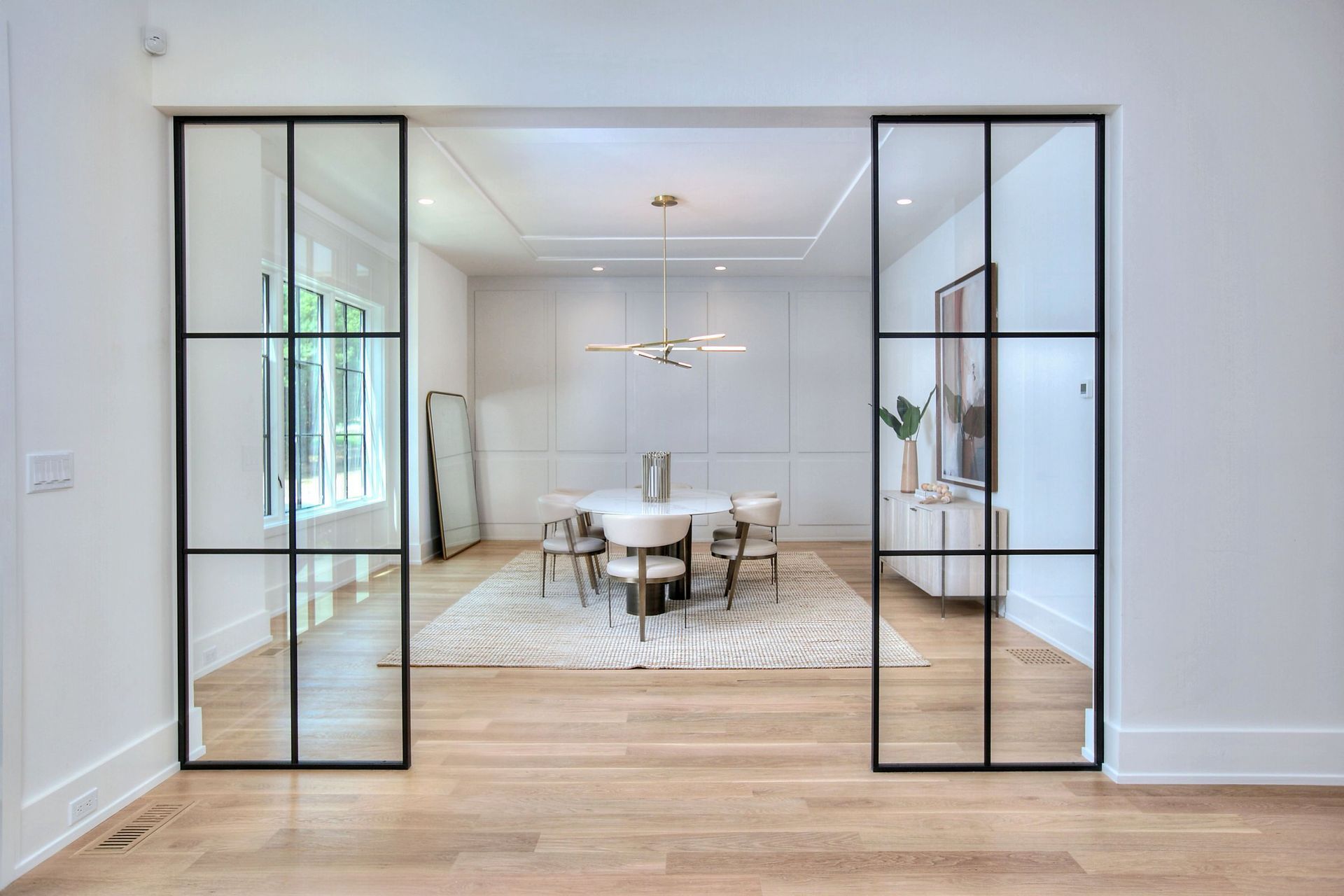
Rooms with standard ceilings typically benefit from lighting that provides even illumination without overwhelming the space. Flush mounts, semi-flush fixtures, and recessed lighting are common choices because they maintain an open feel while delivering sufficient brightness. Pendant lights are also popular over a kitchen table or island and bring a fun and functional element to your decor.
In these spaces, layered lighting is still important. Combining overhead lighting with lamps or wall sconces can create a balanced and inviting atmosphere.
High Ceilings (10 Feet & Above)
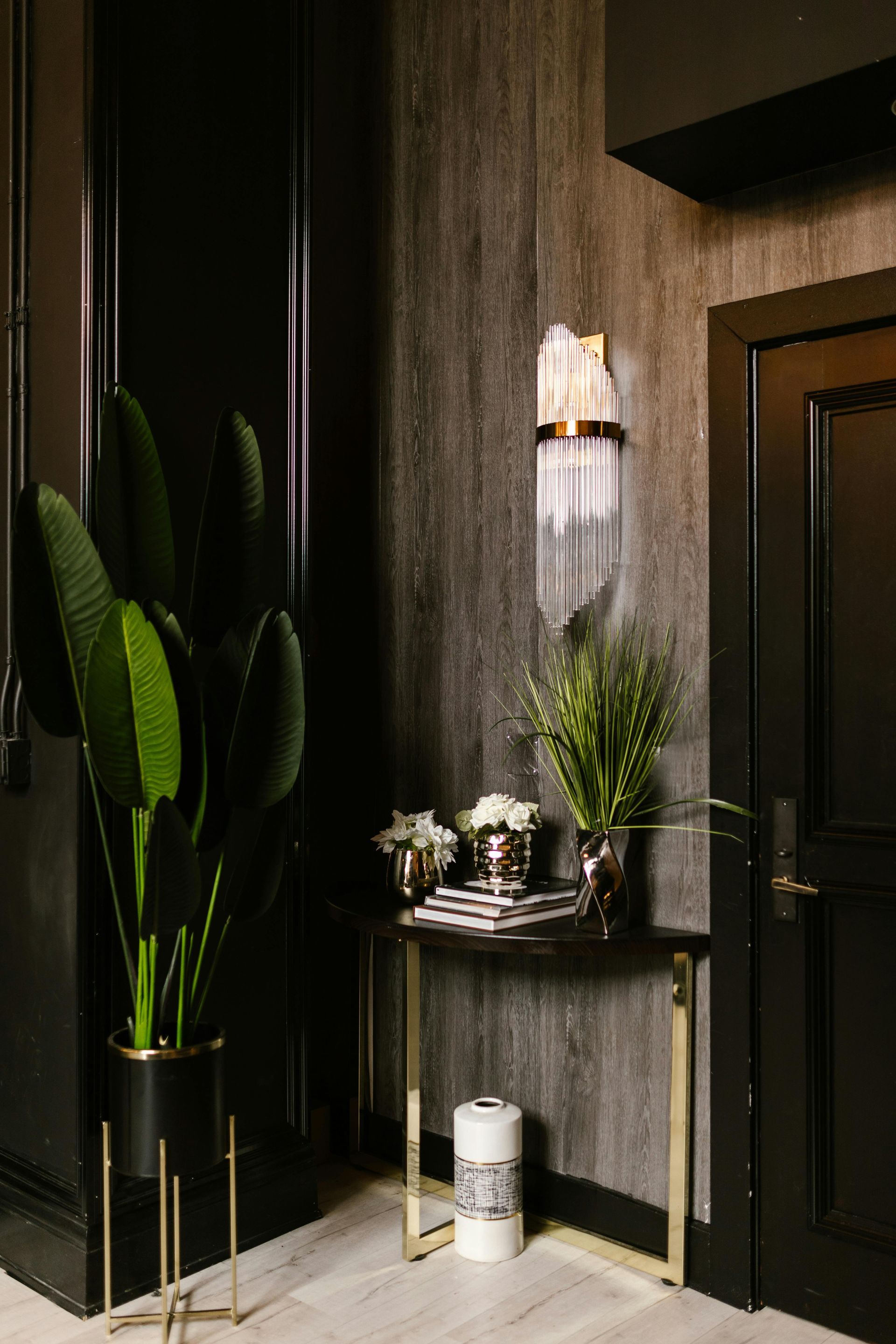
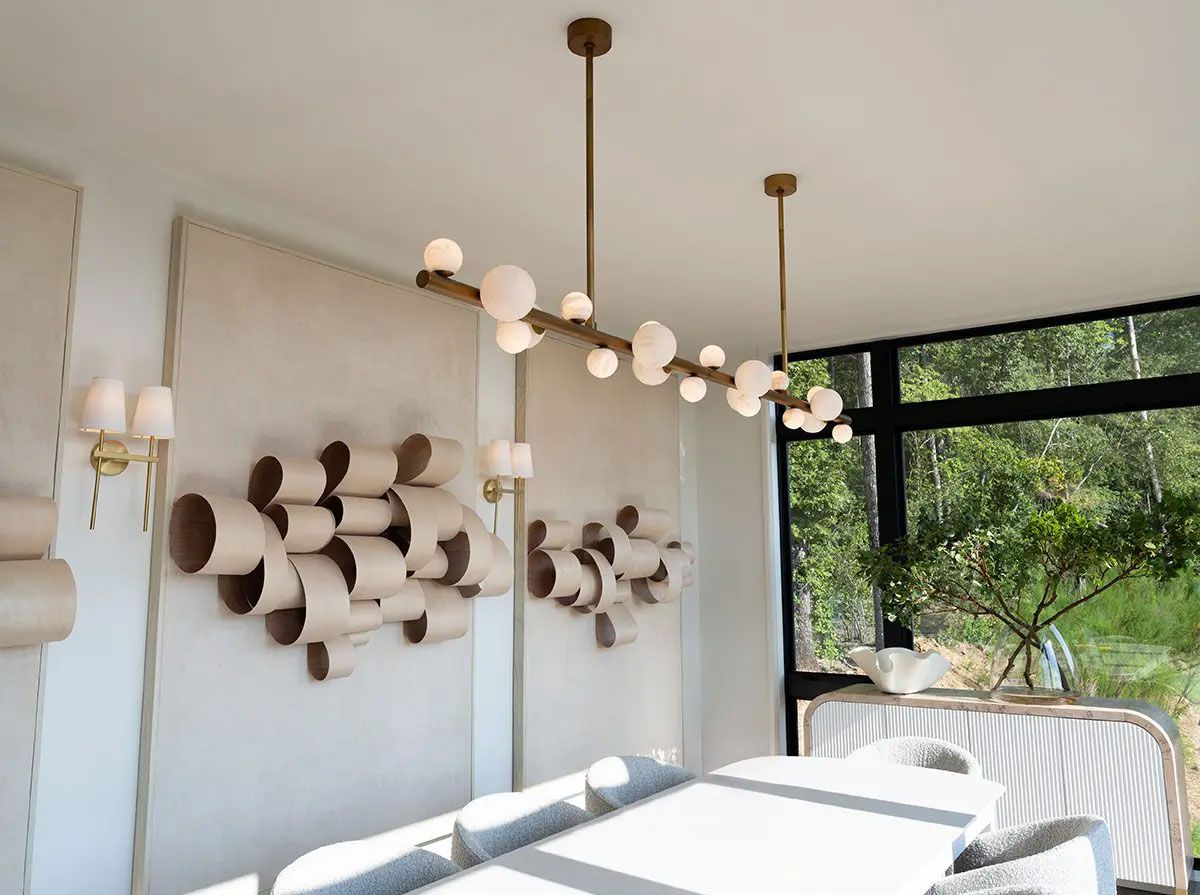
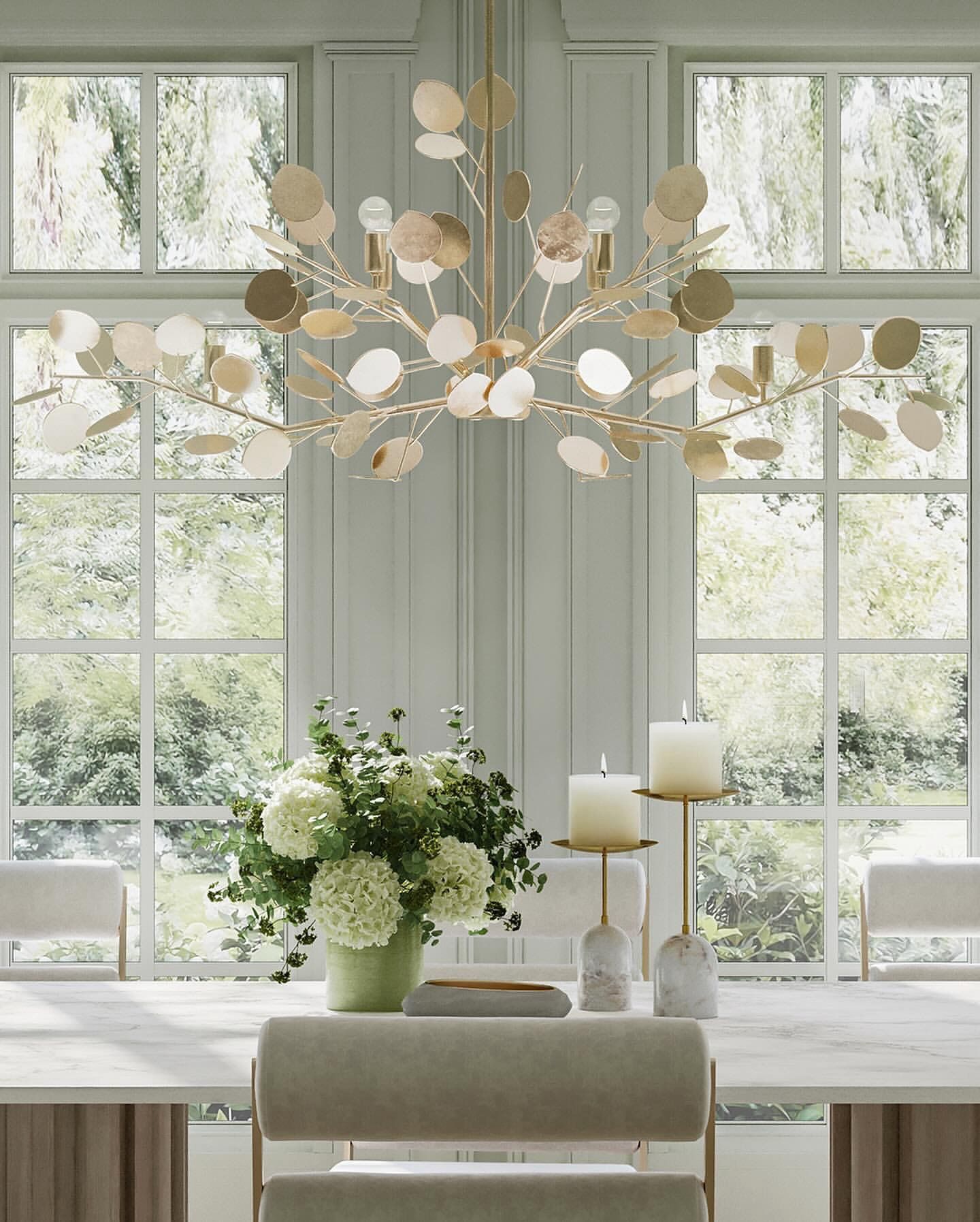
Higher ceilings allow for more dramatic lighting designs and larger decorative fixtures. Chandeliers, pendant lights, and multi-tier fixtures often become focal points in the room while also providing necessary illumination.
However, higher ceilings also create challenges. Because light has farther to travel, rooms may require brighter fixtures or additional light sources to avoid dark corners and uneven lighting.
Some common considerations for high-ceiling lighting include:
- Using larger fixtures that match the scale of the room
- Adding layered lighting for warmth and balance
- Increasing lumen output for proper illumination
- Incorporating accent lighting to highlight architectural details
Light Distribution & Room Ambiance
Ceiling height directly affects how light spreads throughout a room. Lower ceilings naturally contain and reflect light more effectively, often creating a cozy and intimate feel. Higher ceilings disperse light over a larger area, which can make spaces feel airy and elegant but sometimes less inviting without proper planning.
To improve light distribution in taller rooms, designers often use reflective finishes, directional lighting, and multiple fixture types throughout the space.
Choosing the Right Fixture Size
Fixture size should always complement ceiling height. Small fixtures can feel lost in rooms with tall ceilings, while oversized fixtures may overwhelm lower spaces. Proper proportion helps maintain visual balance and ensures the lighting contributes to the room’s overall design.
As a general rule, taller ceilings can support more substantial statement fixtures, while lower ceilings benefit from streamlined designs that preserve openness.
Energy Efficiency Considerations
Lighting large rooms with high ceilings can increase energy usage if fixtures are not selected carefully. LED technology, dimmer switches, and smart lighting controls can help maintain efficiency while still providing adequate illumination.
Natural light also becomes an important factor. Rooms with higher ceilings often include larger windows that can reduce reliance on artificial lighting during the day.
Jumpstart the Lighting Design Process Today
Ceiling height has a significant impact on lighting design, influencing everything from fixture style to brightness and atmosphere. With the help of our lighting designers/owners at Chloe Winston Lighting Design, it’s never been easier to illuminate your surroundings! All you have to do is contact one of our knowledgeable designers to get started. We’re proud to support clients from all of Connecticut and Westchester County (and up and down the East Coast) in our South Norwalk, CT showroom. Call us today at 203-957-8686 and let us help you put your home in its best light!